Most lost jewelry is not stolen — it falls off because a tiny part failed. The earring back that slipped, the hoop clasp that gapped, the necklace clasp that opened unexpectedly. These small components wear out quietly, and they are the cheapest insurance in your jewelry box. Learning when to replace earring backs and check clasps is one of the simplest ways to protect valuable pieces. Here is what to look for.
Earring Backs: The Part Everyone Forgets
Butterfly friction backs contain tiny spring arms that grip the post. After months or years of use, those arms stretch and the back loosens. Test yours: slide the back on and off the post. If it moves with almost no resistance, it has lost its grip. That is the moment to replace it. A fresh pair of backs costs very little and is the difference between keeping and losing a stud. For valuable earrings, consider screw backs, which cannot slide off by accident.
Hoop and Leverback Clasps
Hoop earrings close on a hinge and post. Over time, the hinge wears and the closure can gap, so the hoop does not click fully shut. Test it: does the clasp snap firmly, or does it feel soft and loose? A worn hoop can open during the day. A jeweler can tighten the hinge easily, but until then, treat loose hoops as fragile — check them often and do not sleep or exercise in them.
Necklace and Bracelet Clasps
Lobster clasps and spring rings weaken with years of opening and closing. Warning signs: a clasp that springs open easily, or one that sticks. A worn clasp on a favorite chain is an accident waiting to happen. Most can be replaced cheaply with a new clasp, often in the same metal. While you are at it, check the safety chain on tennis bracelets — that little chain has saved countless pieces.
Make It a Habit
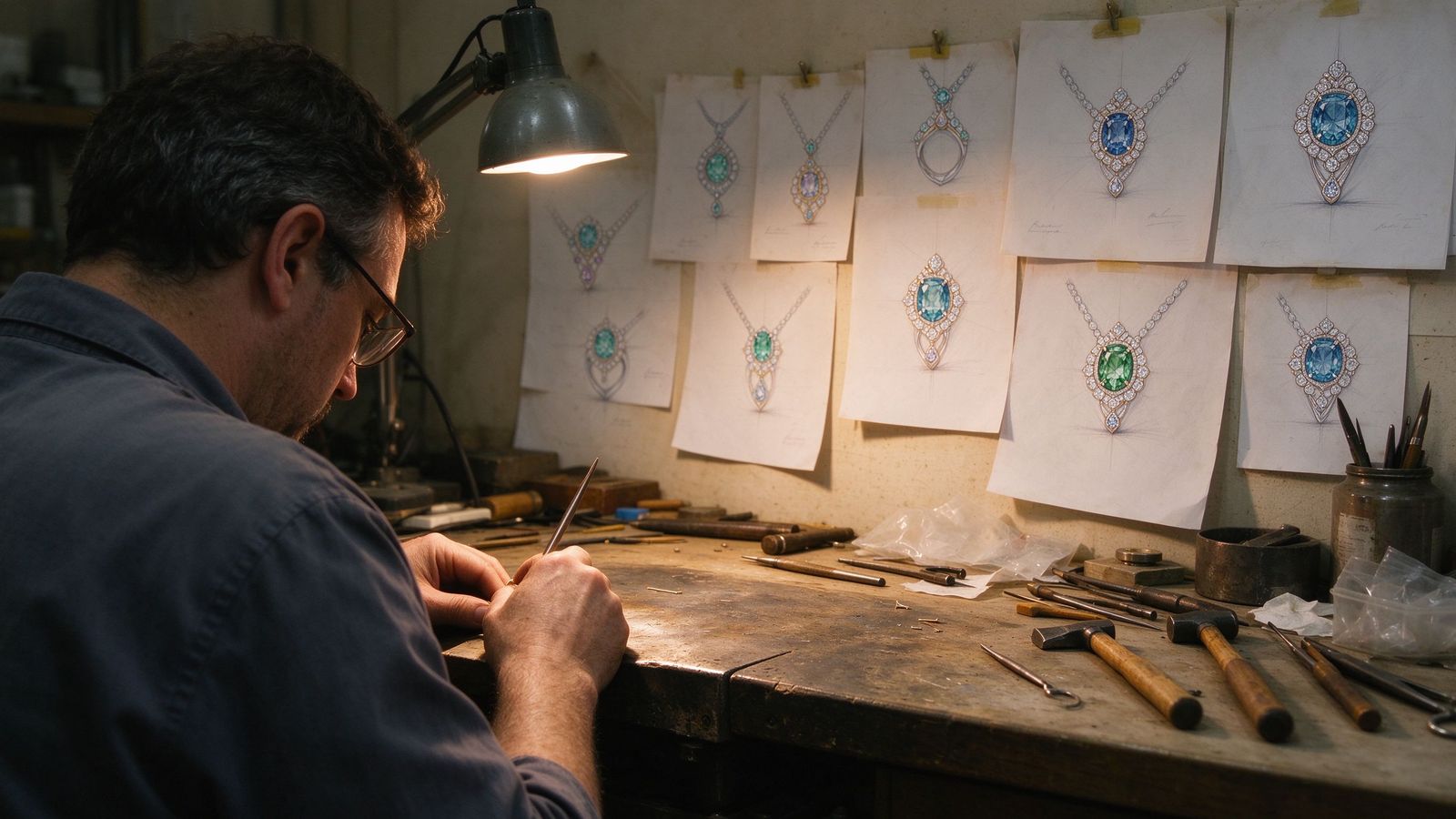
You do not need to inspect jewelry daily, but a quick check every few months catches problems early. Hold each piece, test the clasp, wiggle any posts. If something feels loose, fix it now rather than mourning a lost earring later. We replace backs, tighten hinges and swap clasps at the bench as part of routine care. For deeper cleaning and inspection, see our notes on what happens at the bench, and browse finished work in the portfolio. If a clasp has already failed, send it to us — it is usually a quick fix.
Frequently Asked Questions
How long do earring backs last? Typically one to two years with daily wear before they lose grip.
Are silicone backs safe? They are soft and secure for light wear but can degrade; swap them regularly.
Can a jeweler tighten a loose hoop? Yes — hinge adjustment is a fast, inexpensive repair.
Should I add a safety chain? On tennis bracelets and valuable necklaces, a safety chain is always worth it.
A Quick Jewelry Safety Checklist
Once every few months, run through a short check of every piece you wear often. Hold each necklace and open and close the clasp — does it snap firmly or feel weak? Slip an earring back on and off its post — does it grip? Open a hoop hinge — does it click shut? Tap a ring near your ear — is there any rattle? This takes ten minutes and catches the small failures that otherwise lead to lost pieces. Keep a spare packet of earring backs in your jewelry box so a worn back can be replaced immediately. Treat this check like brushing your teeth: a tiny regular habit that prevents a costly accident. Most lost jewelry was one loose clasp away from being found.
Build a Small Jewelry Repair Kit
A few cheap supplies save a surprising amount of stress. Keep spare earring backs in two sizes, a soft polishing cloth, and a small screw-type backup clasp for your favorite chain. When a back wears out, you replace it in seconds instead of going weeks with a loose earring. These tiny parts are the unsung heroes of a jewelry box, and replacing them costs almost nothing. Treat them as the insurance policy they are — far cheaper than the pieces they hold on.
A Quick Jewelry Safety Checklist
Once every few months, run through a short check of every piece you wear often. Hold each necklace and open and close the clasp — does it snap firmly or feel weak? Slip an earring back on and off its post — does it grip? Open a hoop hinge — does it click shut? Tap a ring near your ear — is there any rattle? This takes ten minutes and catches the small failures that otherwise lead to lost pieces. Keep a spare packet of earring backs in your jewelry box so a worn back can be replaced immediately. Treat this check like brushing your teeth: a tiny regular habit that prevents a costly accident. Most lost jewelry was one loose clasp away from being found.
Make the checklist even simpler by linking it to something you already do. Check your jewelry when you change the clocks, or when the seasons turn. A seasonal habit is easier to remember than an abstract reminder. Write down the date you last checked so you do not overthink it. This ten-minute ritual has saved people from losing expensive earrings and necklaces they wore for years. We provide this checklist on care cards for our customers, because prevention is far better than replacement.
Build a Small Jewelry Repair Kit
A few cheap supplies save a surprising amount of stress. Keep spare earring backs in two sizes, a soft polishing cloth, and a small screw-type backup clasp for your favorite chain. When a back wears out, you replace it in seconds instead of going weeks with a loose earring. These tiny parts are the unsung heroes of a jewelry box, and replacing them costs almost nothing. Treat them as the insurance policy they are — far cheaper than the pieces they hold on. For anything beyond a quick swap, our bench is ready — see the services we offer.
This small ritual matters because most jewelry loss is preventable. A loose back, a gapped hinge, a weak clasp — these are the failure points that turn a beloved earring into a lost one. Checking them twice a year takes minutes and saves money and sentiment. Keep spare backs handy, and do not ignore a clasp that feels soft. Treat these little parts as the insurance they are, and your jewelry box will stay complete for years.