If you have shopped for a sapphire, you have seen the words “heat-treated” on the paperwork and wondered what it means. It sounds like a warning, but heat treatment is actually a normal, long-accepted part of the colored gemstone trade. Understanding what it does — and what it does not do — helps you buy a sapphire with confidence and avoid paying a premium you do not need. Here is the plain-English version.
What Heat Treatment Actually Is
Heat treatment is the controlled heating of a rough sapphire to improve its color and clarity. Sapphires come out of the ground in a huge range of hues, many of them dull, grayish or too pale. Heating gently changes the stone’s internal qualities so the blue becomes clearer and more even, and certain cloudy inclusions melt or disperse. The result is a cleaner, more attractive stone. It has been practiced for decades and is considered permanent — a treated sapphire stays the color it becomes.
Why It Is Standard, Not Suspicious
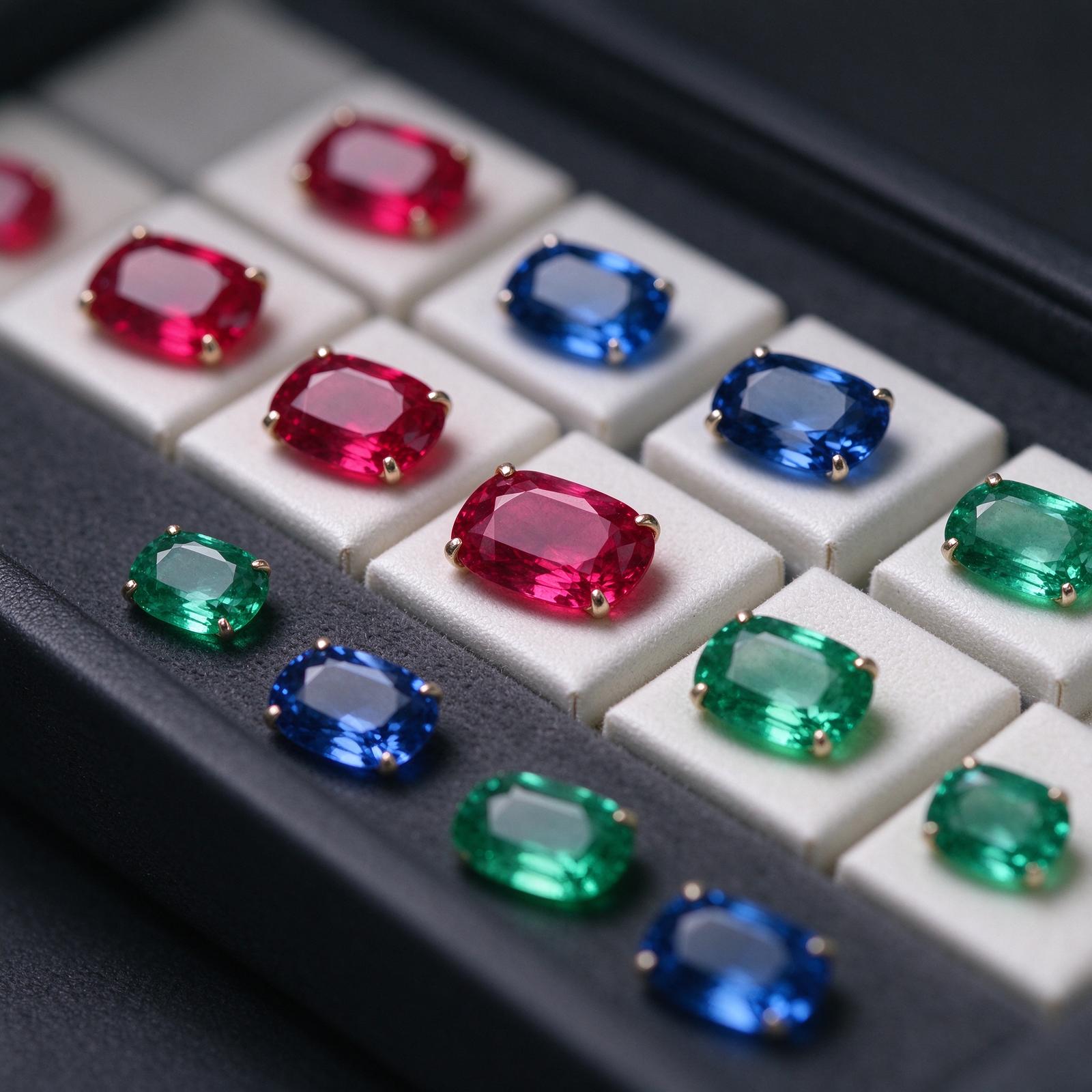
Almost all sapphires sold today are heat-treated. It is so standard that untreated sapphires are the exception, not the rule. Treatment improves stones that would otherwise be unattractive, making fine blue sapphires affordable and widely available. It is disclosed on gem reports precisely because it is normal — the industry wants you to know, not to hide it. A treated sapphire is not “fake”; it is a real natural sapphire that has been enhanced.
What Untreated Sapphires Cost
An untreated sapphire of good color is rare. Because nature produced it without help, it commands a significant premium, and the price difference can be several times a treated stone of similar appearance. For most buyers — people who want a beautiful blue ring they can wear daily — a well-chosen treated sapphire offers far better value. The untreated premium is really for collectors and connoisseurs, not everyday jewelry.
How to Buy Smart
Ask for a gem report that states treatment clearly, and buy from a seller who explains it openly. Treat the report, not the marketing photo, as your guide. We work with both treated and lab-grown colored stones, and we are transparent about exactly what you are buying. You can read about our materials on the stones page, see colored pieces in the portfolio, or ask us to recommend a sapphire within your budget.
Frequently Asked Questions
Does heat treatment reduce durability? No — the sapphire remains a 9-hardness stone; treatment affects color and clarity only.
Is a treated sapphire less valuable? It is less rare, but for everyday wear it is better value than a costly untreated stone.
How do I know if a stone is treated? A gemological report will state it; reputable sellers disclose it.
Are lab-grown sapphires treated? They are grown to a desired color directly, so no separate treatment is needed.
Buying a Sapphire: A Simple Checklist
Keep this short list when you shop. First, ask whether the stone is natural and whether it has been treated — the answer should come with a gem report. Second, judge the color in person or in good light; a sapphire should be vivid but not inky. Third, check the eye-clean clarity — natural sapphires have inclusions, but none should be obvious to the naked eye. Fourth, consider the cut: a well-cut stone livens up even a modest color. Fifth, set your budget and decide whether a treated or lab-grown stone gives you the best size and color for that money. Following these steps keeps the purchase calm and avoids paying an untreated premium you did not actually want. We are happy to walk you through any report.
Trust the Report, Not the Pitch
The gem report is your most reliable tool. It tells you the stone is natural, what treatment it received, and its basic quality. Marketing language like “heirloom” or “rare” is subjective; the report is not. When in doubt, ask to see the paperwork before you buy, and compare two stones side by side rather than choosing from a single photo. A sapphire you can examine and verify is a sapphire you will trust wearing for years.
Whether you choose a treated or lab-grown sapphire, the goal is the same: a stone you love that fits your budget. Both options give you real, beautiful color without the uncertainty of a rare natural find. Buy what makes you happy and what you can verify, and the sapphire will serve you well for a lifetime of wear.
Buying a Sapphire: A Simple Checklist
Keep this short list when you shop. First, ask whether the stone is natural and whether it has been treated — the answer should come with a gem report. Second, judge the color in good light; a sapphire should be vivid but not inky. Third, check eye-clean clarity — natural sapphires have inclusions, but none should be obvious to the naked eye. Fourth, consider the cut: a well-cut stone livens up even a modest color. Fifth, set your budget and decide whether a treated or lab-grown stone gives you the best size and color for that money. Following these steps keeps the purchase calm and avoids paying an untreated premium you did not actually want. We are happy to walk you through any report.
The gem report is your most reliable tool. It tells you the stone is natural, what treatment it received, and its basic quality. Marketing language like “heirloom” or “rare” is subjective; the report is not. When in doubt, ask to see the paperwork before you buy, and compare two stones side by side rather than choosing from a single photo. A sapphire you can examine and verify is a sapphire you will trust wearing for years. Explore our materials on the stones page.
Styling a Blue Sapphire Ring
A blue sapphire is one of the most versatile colored stones you can wear. It pairs naturally with white gold and platinum, which make the blue read crisp and cool, and it also warms up beautifully in yellow gold. It works as an engagement ring, a right-hand statement, or a stackable accent. Because blue is a neutral in the color world, a sapphire ring coordinates with almost any outfit. It is the colored stone we recommend most often to someone who wants color without commitment, because it feels classic rather than trendy. Whether treated, natural or lab-grown, a well-chosen blue sapphire becomes a piece you reach for constantly.