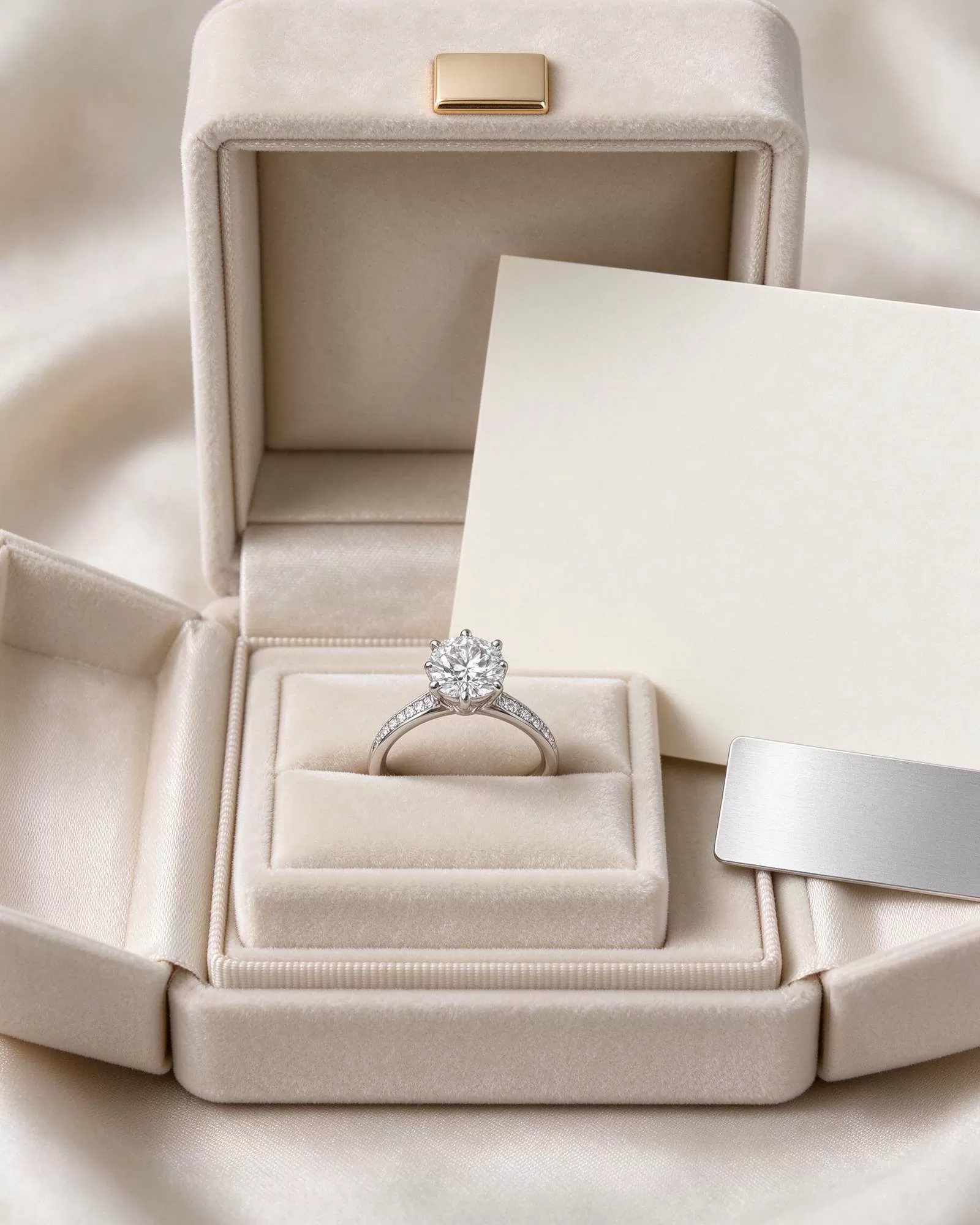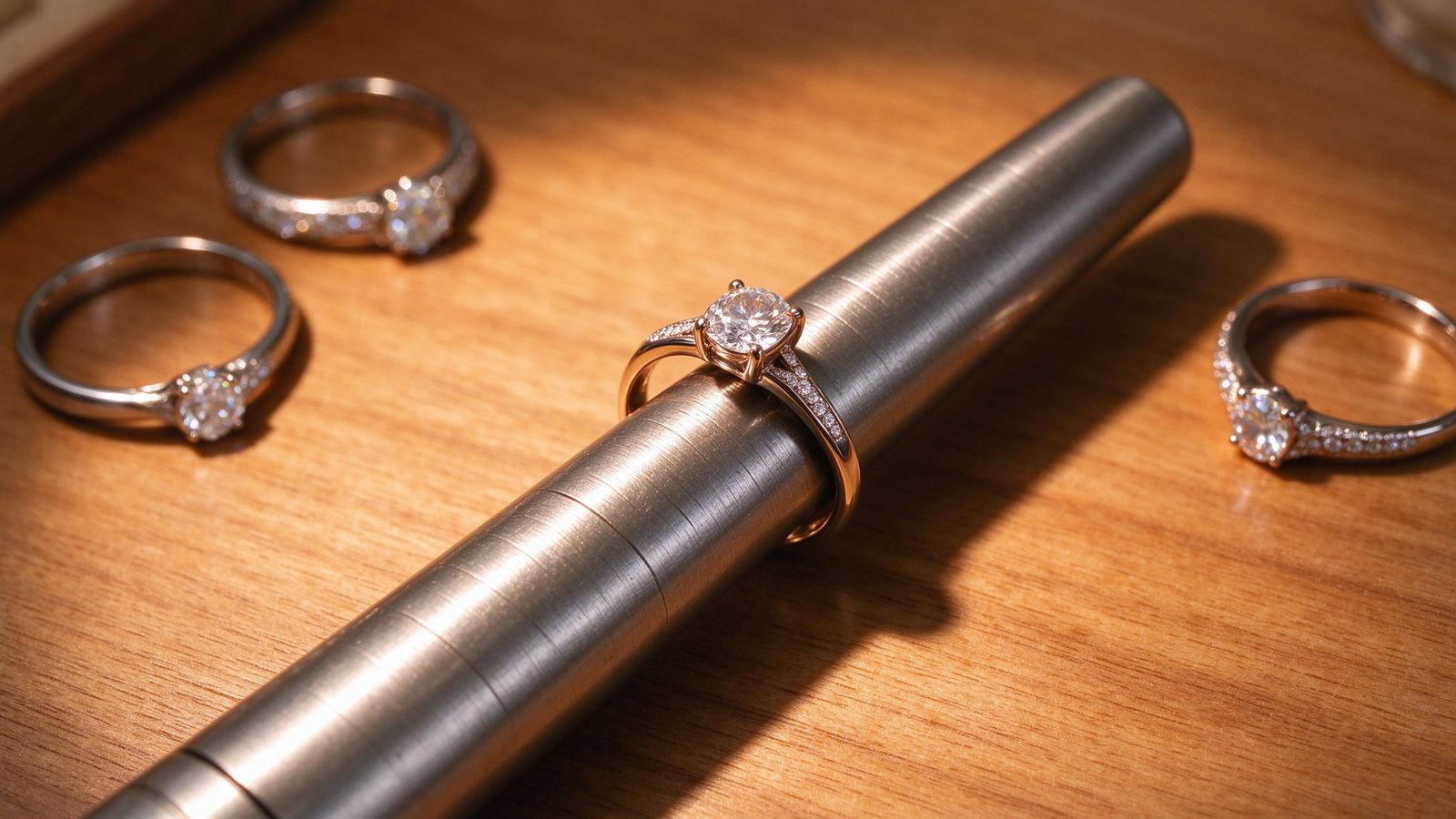
When people design a wedding band, they obsess over the metal and the stones, but rarely over one of the most noticeable choices: the width. A 2mm slim band and a 6mm wide band can be made from the exact same gold, yet they look and feel completely different on the hand. Choosing the right width matters more than most couples expect, because it changes how the ring sits, how it pairs with an engagement ring, and even how large your fingers appear. Here is how to decide.
What Band Width Actually Means
Width is the measurement across the band from your knuckle toward your palm, in millimeters. A slim band runs about 1.5 to 3mm, a medium band 4 to 5mm, and a wide band 6mm and up. Most women’s wedding bands sit in the 2 to 4mm range; men’s bands commonly run 5 to 8mm. The width you choose changes both the look and the physical feel of the ring.
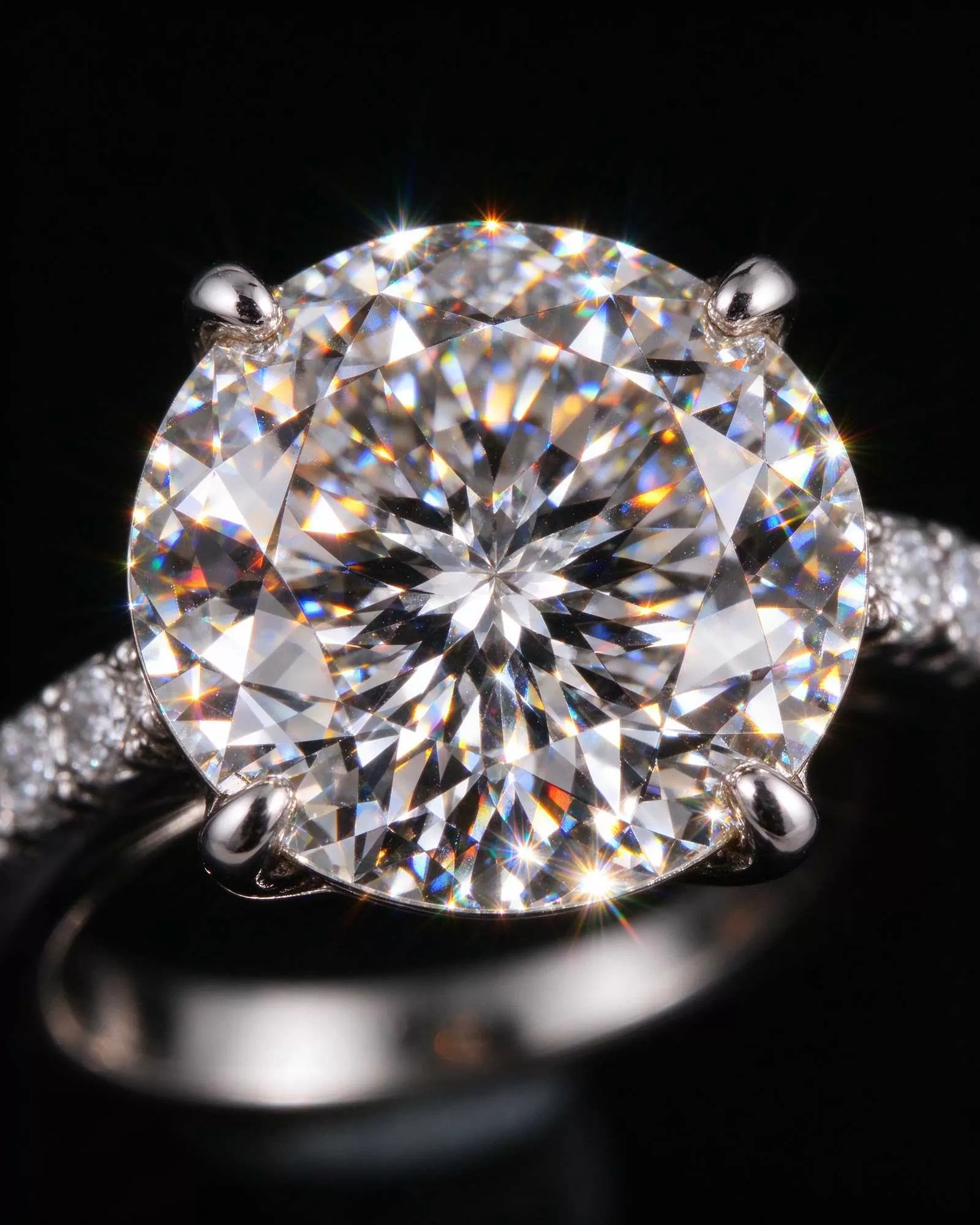
Slim Bands: Delicate and Timeless
A slim band is light, comfortable and elegant. It pairs naturally with a solitaire engagement ring because it does not compete for attention. Slim bands suit smaller hands and shorter fingers, where a wide band can overwhelm. They are also lighter on the finger, which some people prefer for daily wear. The trade-off is that very thin bands can dent or stretch over decades, so anything under 2mm should be chosen with daily wear in mind.
Wide Bands: Bold and Modern
Wide bands feel substantial and contemporary. They look great on longer fingers and larger hands, and they work beautifully as a standalone “statement” wedding ring. A wide band can be a modern alternative to an engagement ring for someone who prefers minimal jewelry. The trade-off is comfort: wide bands can feel stiff, and they must sit flush against an engagement ring, which often requires a contoured or notched band.
Pairing With Your Engagement Ring
This is where width decisions really matter. If your engagement ring has a wide or ornate shank, a matching-width wedding band sits flush and balanced. If the engagement ring is delicate, a slim wedding band keeps the look light. A gap between the two rings looks accidental — which is exactly why a bespoke, made-to-measure band is often better than an off-the-shelf one. We shape every band to nest against the specific engagement ring.
How to Try It On
Width is impossible to judge from a picture. Try on rings at several widths, wear each for a few minutes, and notice how it feels when you make a fist and type. Bring your engagement ring so you can check the pairing. For couples designing a custom piece, we always produce a mock-up or CAD render so you see the proportion before casting. Explore our recent work to see how different widths look on real hands, or book a consultation to discuss your own band.
Frequently Asked Questions
What width is most popular? Around 2 to 3mm for women and 5 to 6mm for men remains the classic.
Do wide bands cost more? They use more metal, so they cost slightly more than a slim band of the same design.
Can a wide band be resized? Yes, but wide bands are harder to resize significantly because of their stiffness.
Should the band match the engagement ring width? It does not need to match exactly, but they should sit flush and look balanced.
How Band Width Feels Over a Full Day
The most honest test of width is not a fitting-room glance but a full day of wear. A wide band can feel stiff at first — some people get used to it quickly, others find it catches when they grip things. A slim band disappears on the finger and is easy to forget. Before you commit, wear a sample in your chosen width through ordinary activities: type, carry bags, make coffee. Notice whether the band digs when you make a fist and whether it catches on anything. Because a wedding band is worn for decades, that daily comfort matters more than how impressive it looks in the case. We encourage customers to take their time at the fitting rather than deciding in a single minute.
How Width Changes Comfort Over a Full Day
A wide band can feel stiff when you first put it on, and that stiffness surprises people who have only ever worn slim rings. The metal sits across more of the finger, so bending and gripping feel different. Most people adapt within a few days, but some never do, especially if they type or work with their hands all day. A slim band disappears on the finger and is easy to forget, which is its own kind of comfort. Before deciding, wear a sample through real activities: make coffee, carry shopping, type on a keyboard. Notice whether the band digs when you make a fist. That daily feeling matters more than how impressive the band looks in the case.
Comfort fit also interacts with width. A comfort-fit band has rounded inner edges, which makes even a wider band easier to slide on and wear. A flat, sharp inner edge feels stiffer, especially on a wide band. If you love the look of a wide band but worry about comfort, choose a comfort-fit interior. This is a detail that sounds small but changes how the ring feels on the finger for decades. We build our bands with comfort-fit interiors as standard, and you can read more about how we design for daily wear on the atelier page.
Resizing a Wide Band Later
Wider bands are harder to resize than slim ones, because the stiff, wide shank resists stretching. A slim band can be adjusted easily; a 6mm band may need more careful work, and very wide bands sometimes cannot be resized more than half a size. This is another reason to measure carefully and choose a width you can live with long-term. If your finger size is likely to change, a slimmer band gives you more flexibility later. When you design a custom band with us, we size it precisely and discuss the resizing implications of your chosen width up front, so there are no surprises years from now.